
Posted January 22, 2026 in BOTOX®
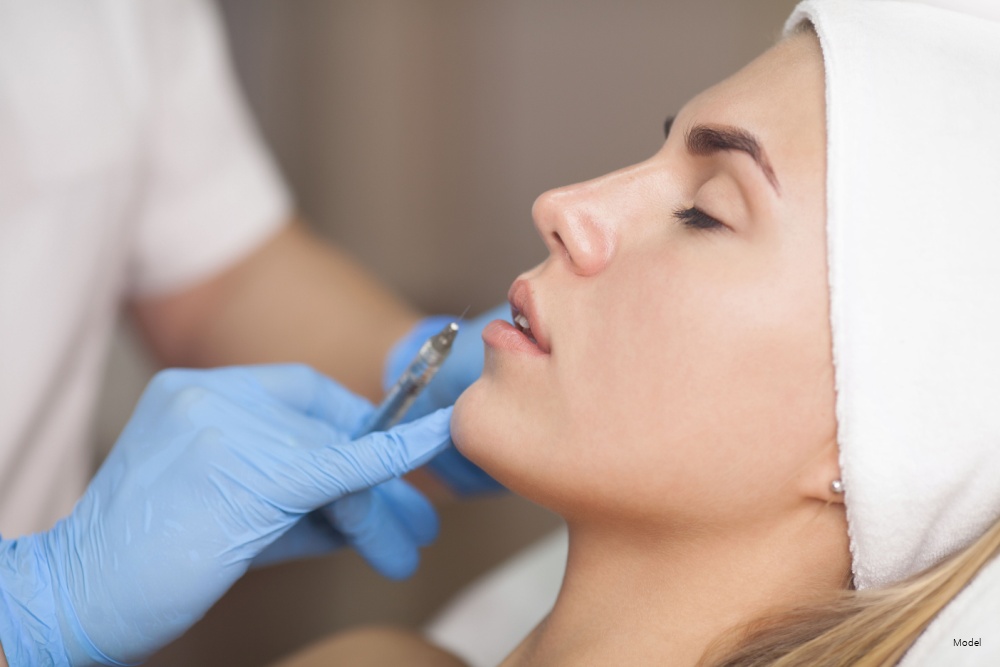
BOTOX® Cosmetic is a quick, minimally invasive treatment that requires no downtime. While there’s no recovery process, there are critical steps you can take after treatment (and some you shouldn’t) to ensure an optimal outcome. This blog offers a list of BOTOX® Cosmetic don’ts to achieve the best results, from activities to avoid to medications to stay away from.
3 Min. Read:
What to Expect After Your BOTOX® Cosmetic Treatment
BOTOX® Cosmetic takes only a few minutes to complete and causes minimal discomfort. However, some patients will experience mild side effects after their BOTOX® Cosmetic injections, such as:
- Bruising: Light bruising around the injection sites is common, particularly around the eyes, where there are more blood vessels.
- Swelling: The fine needle can also cause minor swelling around the injection sites.
- Headaches: Some patients report headaches after treatment, though no direct link has been established.
Side effects typically last only a few hours after treatment, if they occur at all. Most patients return to regular activities immediately following their BOTOX® Cosmetic session.
What Not to Do 24 Hours After BOTOX® Cosmetic
The first 24 hours after your BOTOX® Cosmetic treatment are the most critical to ensure an optimal outcome. Things to avoid during this time include:
Touching or Rubbing the Treatment Site
BOTOX® Cosmetic requires precision to achieve an optimal outcome. Touching or massaging your treatment areas can spread the neurotoxin from its intended location, leading to an uneven distribution of BOTOX® Cosmetic that can affect your facial expressions or cause facial asymmetries.
Lying Down After Treatment
Most providers advise patients to avoid lying down for at least four hours after treatment. By remaining upright, you prevent the BOTOX® Cosmetic from migrating to other areas of the face, which can negatively affect your result.
Strenuous Activity and Exercise
Avoid vigorous exercise for 24 to 48 hours after your BOTOX® Cosmetic injections. Physical activity increases blood flow, which can also cause the neurotoxin to spread and become less effective.
Extreme Heat Exposure
Like exercise, exposure to extreme heat can increase blood flow and disperse the BOTOX® Cosmetic before it settles into the intended treatment area. Using a sauna, a hot tub, or taking a hot bath can increase this risk.
Alcohol Consumption
Alcohol can interfere with the healing process by raising blood pressure and exacerbating bruising and inflammation. Alcohol also dehydrates the skin and hinders the body’s natural healing process.
Use of Blood-Thinning Medications
Blood-thinning medications can hinder blood clotting at the injection sites, increasing your risk for uncomfortable and unsightly bruising and swelling. Common blood-thinning medications include aspirin, ibuprofen, naproxen, vitamin E, and fish oil.
Makeup Application
While you can apply makeup after your BOTOX® Cosmetic treatment, it’s best to wait 24 hours before doing so. The application process may cause some of the neurotoxin to migrate, which could increase your risk for infection around your injection sites.
Thinking About BOTOX® Cosmetic in Weston, FL?
BOTOX® Cosmetic is one of the quickest anti-aging treatments, with no downtime and minimal recovery. Taking a few simple steps after your treatment can go a long way toward optimizing your results. Dr. Charles Messa and his team at Weston Cosmetic Surgery Center have extensive experience working with neurotoxins like BOTOX® Cosmetic to produce natural results for their patients. To learn more, call our office at (954) 659-7760 or (877) 250-8117, or complete our online contact form.